
 7Likes
 LinkBack URL
 About LinkBacks
... "Unitas" ...Originally Posted by Wowik


... "Unitas" ...
"Россия для русских" - это неправильно. Остальные-то чем лучше?

И сицкарский?
У меня на курсе учатся представители практически всех областей Юга России, а лично со мной в группе одна девушка с Камчатки. Особых акцентов и диалектов не слышно (ну может кроме как у калмыков, но у них они тоже едва выражены и зачастую не заметны) Определить, что одна моя одногрупница с Камчатки а другая с Ростовской области по произношению невозможно. А сравните с той же Великобританией? В Лондоне и Балтиморе говорят с разными акцентами.
Что-то тест никто не прошел.
А питерских я слышу по произношению в нос. Сыро в Питере, насморк.
I traveled in Russia a lot and met with people from all over Russia (Magadan, Kaliningrad, Sochi, Kazan, Yaroslavl' etc.), and rarely noticed any crucial difference in the language. What I came across is mostly about pronounciation (sry if I repeat) :
1) Many people from Russian republics (Tatarstan, Tuva, Dagestan etc.) have strong accents due to the fact that Russian isn't their mother tongue. This is especially widespread in the depths of the country and among older people (they presumably speak their own languages at home). In cities, they may speak perfect standard Russian.
2) Some day I went to the country somewhere in the Volga area, and I noticed that villagers (presumably old ladies) for some reason were switching between akanya and okanye. I guess it's the influence of urbanization (they hear dachniks from the city and catch their accent). I heard lots of okanye, but that was going mostly from older ladies. Newer generations don't do okanye (because of TV and okayne being "funny" and "silly").
3) As it was said, southerners have a strong accent, which is very similar to Ukrainian (different г sound, different intonation).
The difference in vocabulary is small as well. A region has at most 10-20 words which are unique to that particular region, and this is all to do with the "dialects".
For example, influenced by Tatars, people from the Volga area are used to use word айда (ayda) which means "let's". When I used this word during my stay in Sochi (Southern Russia as you may know), a guy at the bazaar asked me "Are you from Tatarstan?"
I also heard that guy from Sochi saying нагинаться instead of нагибаться, but I guess it's the matter of a socialect, not a dialect.
I also experienced some difference in stress. For example, southerners say рАкушка while I would say ракУшка.
Another case in my experience was the fact I faced that the word зал when referring to a living room isn't used that much outside my region (they may call it гостиная or большая комната). Morever, in Bashkiria, I heard, they call it зала.
When I stayed in Petersburg, a woman who rented me out a room used the word парадная instead of подъезд.
As of grammar, I never met a person whose grammar would be different from the general Russian grammar in any way. I saw it only in dialectal books (like confusing genders).
This is all my experience on "dialects" I can remember of (I live in Russia for 20 years 600 miles away from Moscow). I wouldn't call it dialects. 10-20 unique local words + slight accent don't make up a dialect, I think.
Russian dialects that existed a couple decades ago mixed themselves to death with the standard language due to obligatory secondary education and mass media. The insignificant deviations from the norm can hardly be considered dialects. The only exception I know of is "surzyk," but there's still a lot of discussion of whether or not it can be considered a dialect.
абсолутно нормально слово в петербурге так я его и от деда и от отца слыхал и сам впотребляю довольно регулярно и обзначает оно такая вешалка для брюков.Кстати, существуют словечки, которые употребляются исключительно в Харькове: "тремпель"
Some corrections:
Абсолютно нормальное слово для Петербурга, я его слышал и от деда, и от отца, да и сам употребляю довольно регулярно. Обозначает оно специальную вешалку для брюк.

"...Важно, чтобы форум оставался местом, объединяющим людей, для которых интересны русский язык и культура. ..." - MasterАdmin (из переписки)
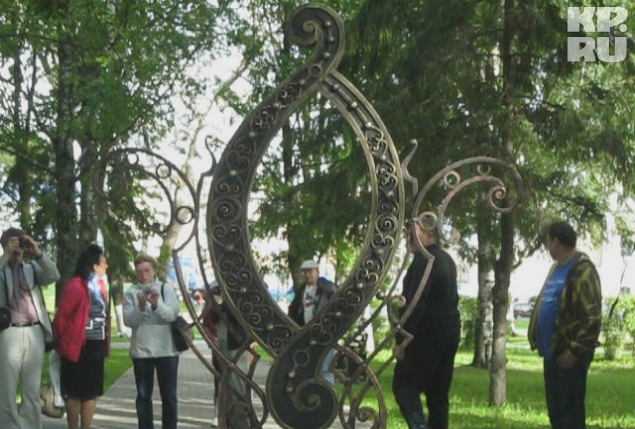
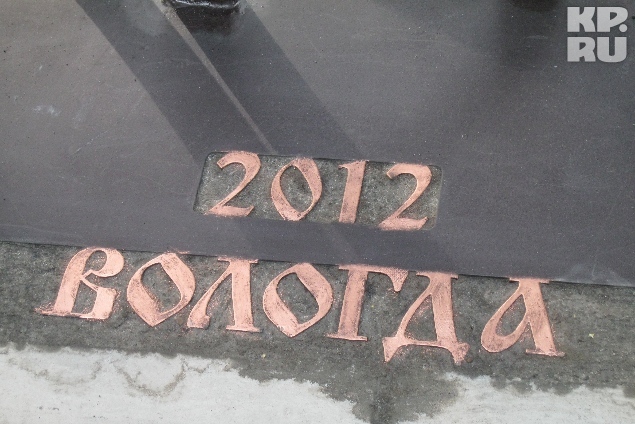
Какая-то абстракция. В жизни бы не догадался, что это "О". "О" - круглая.
Я тоже так подумала, но в Вологде не совсем круглая:
"...Важно, чтобы форум оставался местом, объединяющим людей, для которых интересны русский язык и культура. ..." - MasterАdmin (из переписки)
Кстати, в Казани паребрик и бордюр 50 на 50. Старожилы говорили, что сначала был бордюр, но потом во время войны много народу из Ленинграда сюда перебралось. В армии тоже много словцов разных слышал, но на память пока только один мат приходит ))

The most simple way to answer would be:
We don`t have any accents (or dialects) in Russian.
N.b. I travelled.
Yes, in the biggest country.
With 9 time zones...
But that is how differently languages develop due to historical reasons. I lived in 9-million Sweden, with differences on the South (Skånsk dialect) , Stockholm, North... Nothing like that in Russia, same speech from Kaliningrad to Vladivostok, from Murmansk to Sochi. Quite a comparison, huh?
Of course, there are some exceptions which only prove the rule
This is funny. All people in here say that Russian has no dialects, well maybe it is true for Russia but remember that Russian is common in some other countries not only in Russia. I mean here in my place almost all people speak Russian in their everyday life but when people come to us from Russia they admit local Russian strange or special or just funny (ah, by the way I live in Belarus, my native town is called Гродно (Grodno) in Russian).But local people really think they speak perfect standard language so they are quite surprised hearing something like 'your talk is funny'
Well, I was sure I spoke standard too. But after I was told that I didn't I began paying attention to the way we were talking.
Here is something I noticed:
1) There is real difference between the age groups. I) Kids&teens&people of 20-50 speak close to the standard (at least closer than other groups do); II) adults of 50-60/70 (especially people who once moved from small places around Grodno like villages or farms) often have stronger accent and also more unusual grammar&vocabulary; III) people of 60/70- .... usually speak mix of local Belarusian dialect + standard Russian, or local Polish dialect + standard Russian, or local Belarusian + local Polish dialects + standard Russian (this is for people who were born in Grodno, or arond Grodno area). Though there are also people of different ages who moved here from Eastern Belarus or from Russia, they usually speak the standard Russian.
2) The groups understand one another though speaking different forms. For example I (the first group) easily understand my grandmother (the second group) and her sisters (the third group) and vice versa. While non-locals have some difficulties understanding the 2nd and the 3rd groups and rarely the 1st.
as for the most common local deviations (typical for all groups), here they are :
3) Какого сегодня числа? - Первого (второго etc.) января instead of Какое...? - Первое января.
4) Кудой мы пойдём? - Тудой! / Сюдой! instead of в каком направлении / как...
5) Споймать instead of поймать
6) Замного, замало, забольшой, заслишком etc. instead of очень много, мало, большой; и просто "слишком"
7) Спроси, или он пойдёт с нами. (Не знаю, или у меня получится. etc.) instead of Спроси, пойдёт ли он с нами.
8.) ихний (дом etc.) also ихняя/ихнее + noun instead of их (дом)...
9) снить/приснить: я приснила сон/ я снила сон instead of мне приснился сон/ мне снился сон
10) мне холодно в руки/ в ноги instead of у меня замёрзли руки/ ноги
Смеяться с кого-либо instead of смеяться над кем-либо
Or something like “Я не могу с тебя!”
11) нету (куда, что, где etc.) + verb: нету где поставить (сумку), нету что/чего одеть instead of некуда, нечего, негде + verb: негде поставить (сумку), нечего надеть
12) as for the nouns, sometimes Nominative = Accusative in plural form of the names of some animals like коровы, кони, козы, рыбы etc. : покормить рыбы, доить козы, пасти коровы instead of покормить рыб, доить коз, пасти коров
13) навязать (собаку) instead of привязать (собаку)
14) pronunciation
most of people cannot pronounce soft д and т sounds, they say soft affricates дз and ц instead like дзядзя, цёця instead of дядя, тётя
older people may also say fricative [ɣ] and hard ч instead of stop [g] and soft ч
unstressed vowels are often much clearer though оканье doesn't exist; people just say clear A instead of schwa
as for verbs, sometimes in the second person singular of the present tense they say [c'c'] instead of [шс'] like смеё[c'c']я instead of смеё[шc']я
м is usually hard in the words like семь, семья, people say like сем, семъя; the same thing is with the words like Вьетнам, which is said like Въетнам
15) gender
The most popular difference is собака, which is masculine instead of feminine: смотри, какой собака! instead of смотри , какая собака! Though it isn’t typical for all people, just many say like this. I use both of these depending on what the real gender of the animal is. There are some different-gender words but not many. Some geographical names like Свитязь (lake), Сож (river) are masculine instead of feminine
16) stress
Preposition is often unstressed, people say за рУку, на нОгу (or even на ногУ) etc. and also насквОзь instead of зА руку, нА ногу and нАсквозь; different stress when changing cases : вадУ, спинУ, тортЫ, тортА instead of вОду, спИну, тОрты, тОрта; different stress in many words: рАкушка, крапивА, красивЕе (or красивше at all), вербА, крЕмень, средствА, свеклА, искрА, хозяевА, теснО, щАвель, ивОвый, etc.
17) vocabulary
Well, there are some special words, for example шуфлядка, палендвица, паветка, складанка ; no one says ободок here, but everybody say обруч; I found the word базар funny, I don’t use it though some people do. I always say рынок. Long time I didn’t know what is половник (I thought it was дуршлаг) as my family says черпак. Many people don’t say свекла but use the word бурак. Plastic bag is пакет, or мешок, or торба ; торба is also non-plastic bag. Але, алеш, алиш…. I don’t know how to explain these mmm… just expressive stuff. When I said to a non-local girl “Алиш ты!” she asked “Я что?”
Well, maybe it is not a dialect, I don't know really what it is called.
 Posting Permissions

Russian Lessons | Russian Tests and Quizzes | Russian Vocabulary |


 Reply With Quote